



DISCRIMINATION
Discriminating against someone means managing that person differently, or less favorably, for some reason. Discrimination can occur while you are at school, at work, or in a public place, such as a mall or subway station. You can be discriminated against by friends, teachers, coaches, coworkers, managers, or business owners. When discrimination lawsuits are filed, it can negatively affect organizations’ profits and reputations.
The Equal Employment Opportunity Commission (EEOC) is responsible for protecting you from one type of discrimination: employment discrimination because of your race, color, religion, sex (including pregnancy, transgender status, and sexual orientation), national origin, disability, age (forty or older), or genetic information. The EEOC may protect you from other types of discrimination, such as discrimination at school.
This book, Discrimination, serves as a guide for managers, HR professionals, educators, and employees who aim to understand discrimination not just as a legal issue, but as a social and ethical one. Dr. Welch’s focus is on transforming awareness into action — helping readers create fairer workplaces that value diversity and integrity.
HOME
The Author
Dr. Kenneth Welch is a leadership consultant, educator, and researcher specializing in workplace ethics and organizational behavior. With extensive experience guiding corporations and public institutions on diversity and compliance strategies, Dr. Welch advocates for cultivating inclusive cultures rooted in empathy, accountability, and equitable opportunity.
Buy the Book
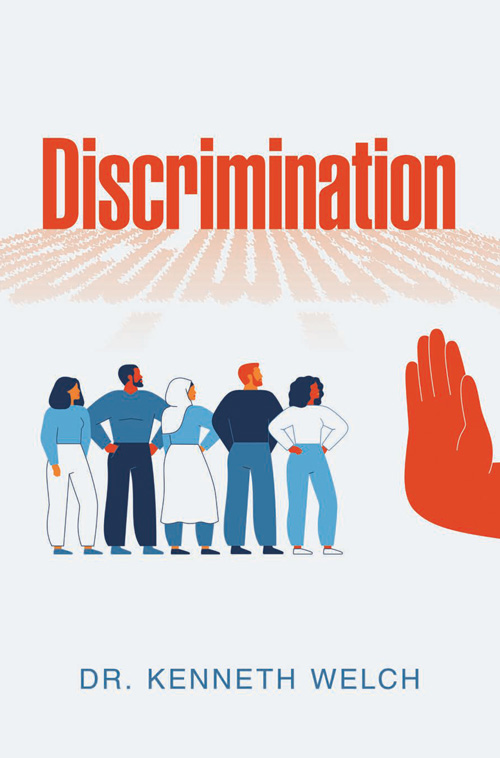
The book explores how discrimination—whether based on race, gender, age, disability, religion, or other factors—affects individuals and organizations. It emphasizes the role of leadership awareness, legal compliance, and diversity, equity, and inclusion (DEI) initiatives in preventing bias and promoting equal opportunity.
